
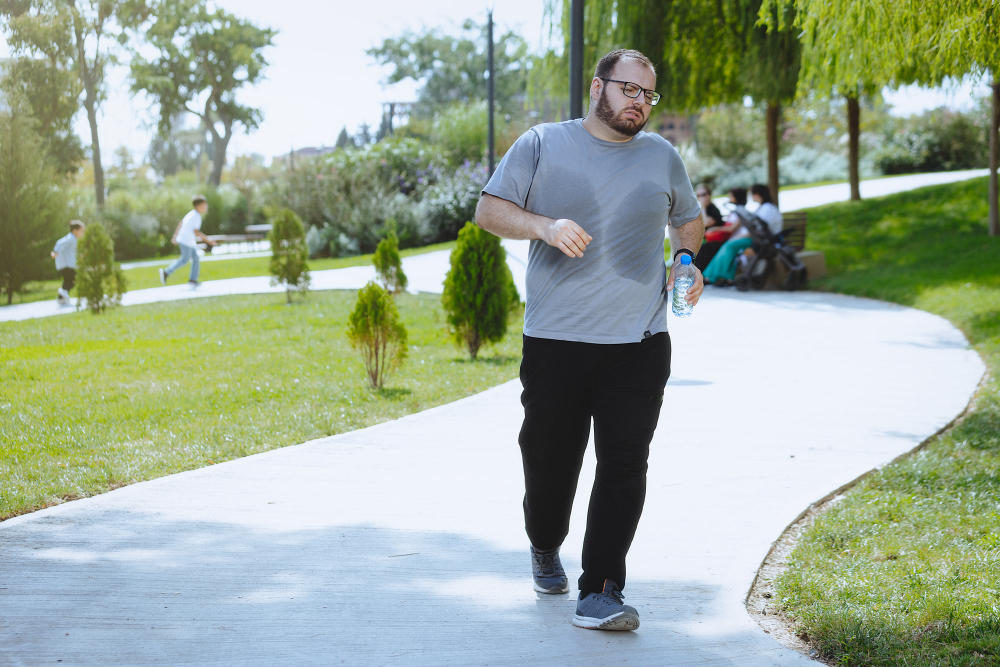
What Is the Walk Test?
The walk test is a simple fitness test that checks how well your body handles walking. Many people use it as a walking fitness assessment. In fact, doctors and health experts often use the walk test for health checks. This test helps measure your heart and lung strength. It also shows how fit you are for daily activities. Because it is easy to do, almost anyone can try it at home or in a clinic.
Why Is the Walk Test Important?
First, the walk test gives a quick look at your fitness level. It can help spot health problems early. For example, if you feel tired or short of breath, the test may show if you need to see a doctor. Also, the walk test can track changes in your health over time. Many people use it to see if their exercise plan is working. According to the World Health Organization (WHO), regular walking supports heart and lung health. So, knowing your walking fitness can help you stay active and healthy.
How the Walk Test Works
Usually, the walk test measures how far you can walk in a set time. The most common version is the 6-minute walk test. During this test, you walk as far as you can for six minutes. Another version checks how long it takes to walk a set distance, like 400 meters. Both types are simple and safe. They help show your fitness level without special equipment. Because of this, many clinics and hospitals use the walk test for health checks.
Preparing for the Walk Test
Before you start, it is important to get ready. Here are some tips to prepare for your walk test:
With these steps, you can help make your walk test safe and accurate.
How to Perform the Walk Test Safely
To do the walk test safely, follow these steps:
Because safety is key, always listen to your body during the test.
Interpreting Your Walk Test Results
After the walk test, check how far you walked or how long it took. For adults, walking about 400 to 700 meters in six minutes is common. However, age, gender, and health can change these numbers. If you walk much less than average, it may mean you need to improve your fitness. On the other hand, walking more than average shows good fitness. Always compare your results with past tests to track progress. If you are unsure what your results mean, ask a healthcare professional for advice.
Factors That Can Affect Walk Test Results
Several things can change your walk test results. For example, your age and weight can make a difference. Also, health problems like asthma or heart disease may lower your score. Even the weather or the surface you walk on can affect your results. Because of this, try to do the test under the same conditions each time. This way, you get a fair look at your walking fitness.
Tips to Improve Your Walking Fitness
Improving your walking fitness can help you get better walk test results. Here are some easy tips:
With regular practice, you may notice better results on your next walking fitness assessment.
When to Consult a Healthcare Professional
Sometimes, you may need to talk to a doctor before or after your walk test. For example, if you have heart or lung problems, ask your doctor if the test is safe for you. Also, if you feel pain, dizziness, or shortness of breath during the test, stop right away and seek help. Don’t delay your health concerns. Consult at Today physio