
Introduction
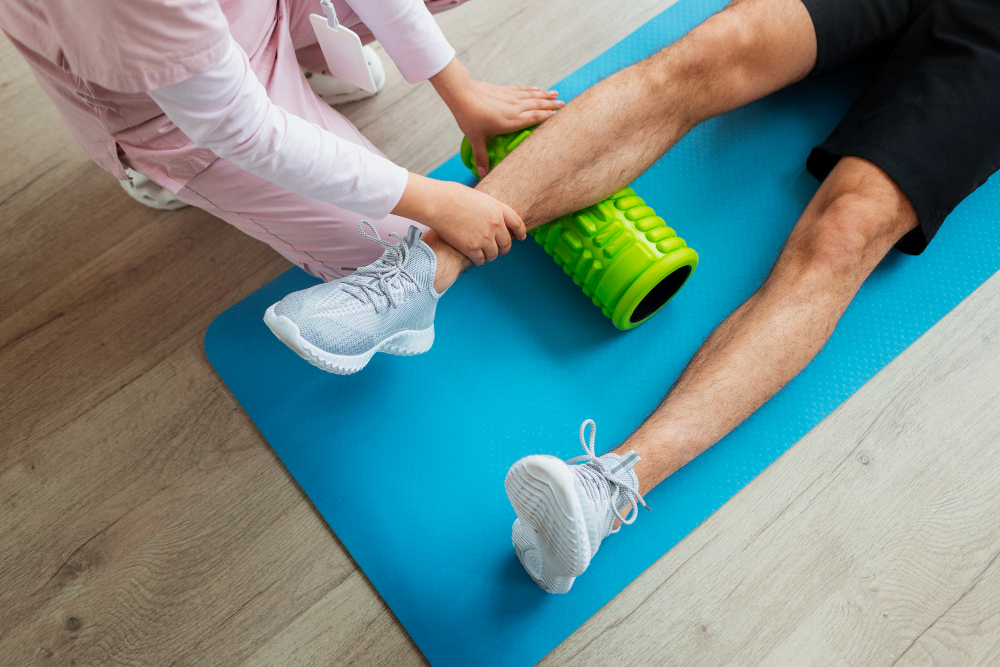
Sport rehab, or sports rehabilitation, helps people recover from sports injuries and return to activity safely. Whether you play sports for fun or compete, injuries can happen. Because of this, sport rehab is important for healing, preventing future injuries, and improving performance. In this guide, you will learn how sport rehab works, why it matters, and how it can help you stay active.
Common Sports Injuries Requiring Rehab
Many types of injuries may need sport rehab. Some are mild, while others are more serious. However, early care can help you heal faster. Common injuries include:
For example, ankle sprains and muscle pulls are very common in both children and adults.
Symptoms and When to Seek Sport Rehab
Not all pain means you need sport rehab. Still, some symptoms should not be ignored. You should seek help if you notice:
Sometimes, mild injuries heal with rest. But if pain lasts more than a few days, it is best to see a physiotherapist or doctor.
Causes and Risk Factors
Sports injuries can happen for many reasons. Often, they result from:
Additionally, some people are at higher risk. For instance, beginners, older adults, or those returning after a break may get hurt more easily. Even playing on uneven surfaces can increase your risk.
Diagnosis and Assessment in Sport Rehab
Proper diagnosis is key for good recovery. First, your healthcare provider will ask about your injury and symptoms. Next, they may check your movement, strength, and flexibility. Sometimes, tests like X-rays or MRI scans help find the exact problem. Because each injury is different, a full assessment helps create the best rehab plan for you.
Treatment Options
Sport rehab uses many treatment options. Most plans include:
Sometimes, braces or taping help support the injured area. Surgery is rare and usually only needed for severe injuries.
Lifestyle and Home Care Tips for Recovery
While professional care is important, you can also help your recovery at home. For example, you can:
However, do not push through pain. Instead, listen to your body and ask your rehab specialist before trying new activities.
Prevention Strategies for Sports Injuries
Preventing injuries is just as important as treating them. To lower your risk, you can:
Additionally, regular strength and flexibility exercises help protect your joints and muscles.
Frequently Asked Questions about Sport Rehab
Conclusion
In summary, sport rehab helps you recover from injuries and prevent future problems. With the right care, you can return to your favorite activities safely. Consult a physiotherapist at Today physio for personalized sport rehab guidance.