
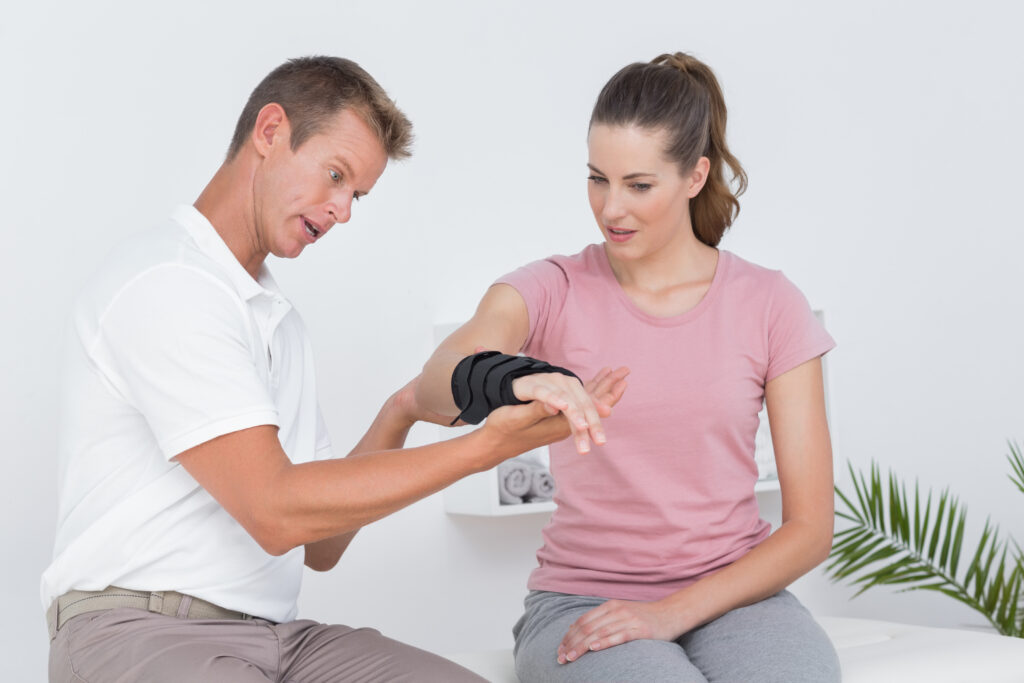
Tennis elbow and tendon pain can make daily tasks hard. Many people think rest is the best cure. However, non-surgical rehab for tennis elbow and tendon pain is often needed for real healing. In this blog, you will learn why rest alone is not enough and how active rehab can help you recover faster and prevent future pain.
What Is Tennis Elbow and Tendon Pain?
Tennis elbow is a common injury. It happens when the tendons in your elbow become irritated or inflamed. Tendons are strong bands that connect muscles to bones. When these tendons are overused, small tears can form. This leads to pain and weakness, especially when you grip or lift objects.
Although anyone can get tennis elbow, it is most common in people who use their arms a lot. For example, athletes, painters, or people who type for long hours are at higher risk. Common symptoms include:
Sometimes, tendon pain can also affect other areas, like the shoulder or wrist. But the main cause is often repeated use or strain.
Why Rest Alone Isn’t Enough
At first, rest may seem like a good idea. But, while rest can ease pain for a short time, it does not fix the real problem. In fact, too much rest can make your muscles and tendons weaker. This can slow down healing and even make the pain come back.
Here are key reasons why rest alone is not enough:
Therefore, it is important to combine rest with the right exercises and treatments.
Effective Non-Surgical Rehabilitation Approaches
Non-surgical rehab for tennis elbow and tendon pain focuses on active recovery. Several evidence-based treatments can help you heal and prevent future problems. According to the American Academy of Orthopaedic Surgeons and other trusted sources, these methods work best:
With these approaches, you can return to your normal activities sooner. Plus, you lower the risk of the pain coming back.
Lifestyle and Self-Care Tips
Besides therapy, daily habits play a big role in recovery. For example, you can:
By making small changes, you can speed up healing and avoid more pain.
Prevention Strategies
Once you feel better, it is important to keep your tendons healthy. Here are some tips to prevent tennis elbow and tendon pain from coming back:
With these habits, you can protect your joints and stay active.
When to Seek Professional Help
Sometimes, home care is not enough. You should see a physiotherapist or specialist if you notice:
Early treatment can prevent long-term problems and help you recover faster.
Conclusion & Call-to-Action
In summary, rest alone will not fix tennis elbow or tendon pain. Instead, non-surgical rehab, including exercises and therapy, is key for real healing. By following expert advice and making healthy changes, you can get back to your daily life. If you have ongoing pain, consult a physiotherapist or specialist for personalized care and guidance.